Principal Investigator
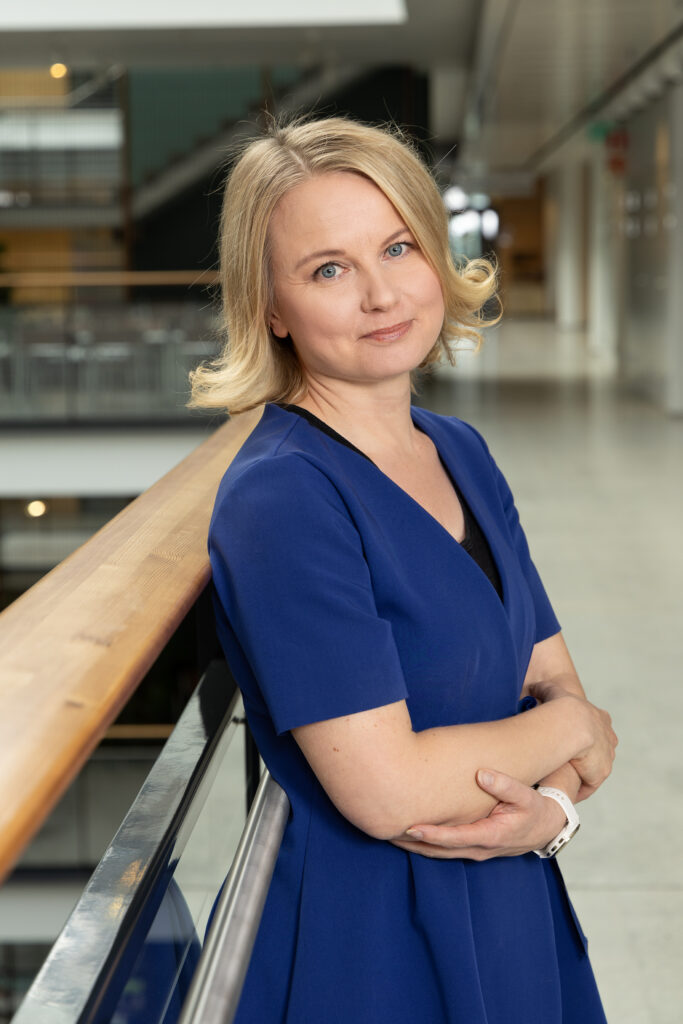
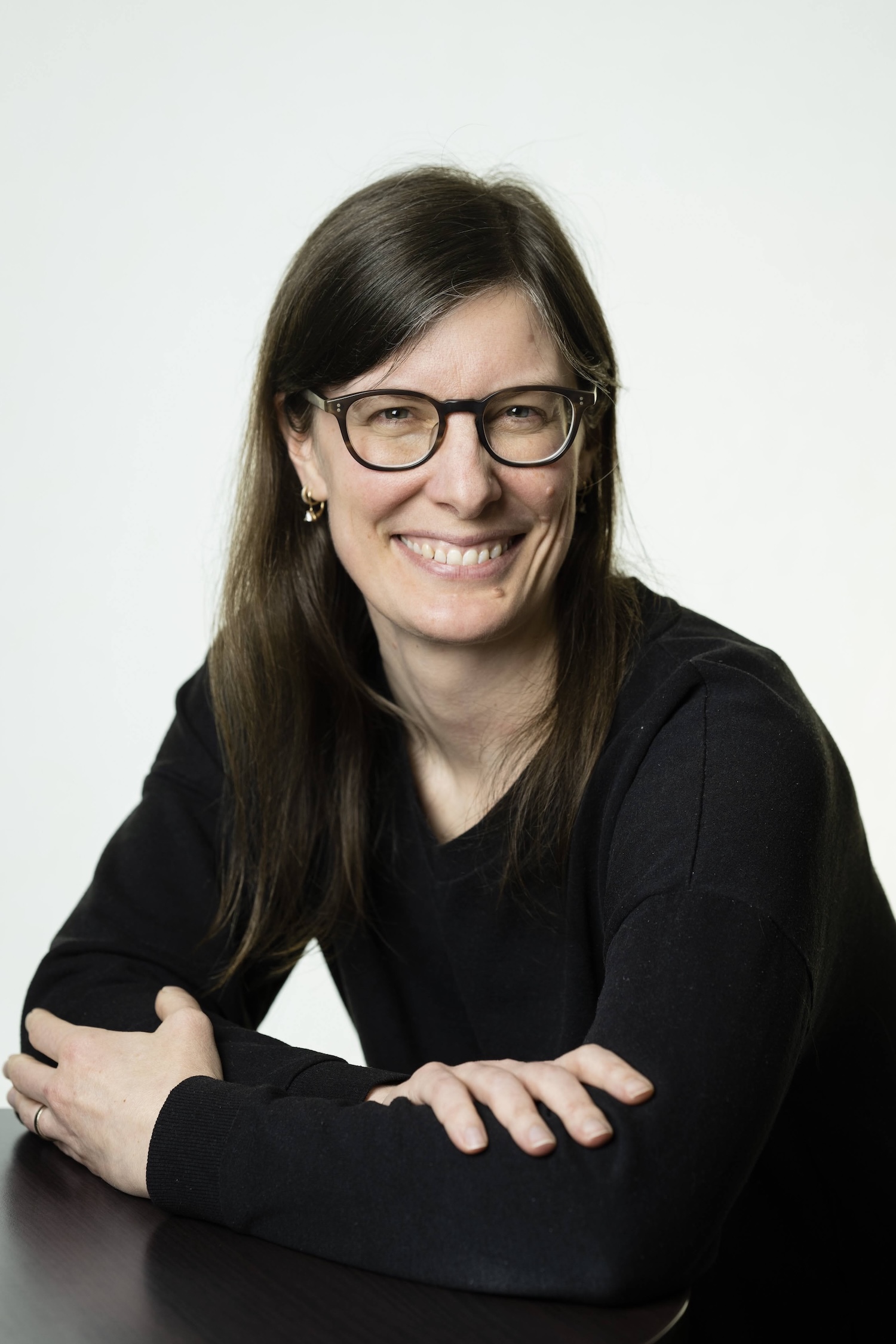
Anna Vähärautio, PhD
Anna Vähärautio (née Saramäki) is a cancer researcher with a biochemistry background (PhD 2008) and an interest developed during her postdoctoral period (2009-2012 in Jussi Taipale’s lab, Karolinska Institutet, Sweden). In her lab, wet-lab method development is intertwined with informatics tools to study the emergence of treatment resistance in ovarian cancer by using clinically relevant models such as organoids. She is currently especially interested in cell fate during cancer treatment: how do cells’ history and genetics modulate the decision to adapt or die? This is also the focus of her ERC Consolidator grant for the project STRONGER: What doesn’t kill you: Overcoming primed and adaptive resistance in ovarian cancer (2024-2029).
Postdoctoral/Senior Researchers
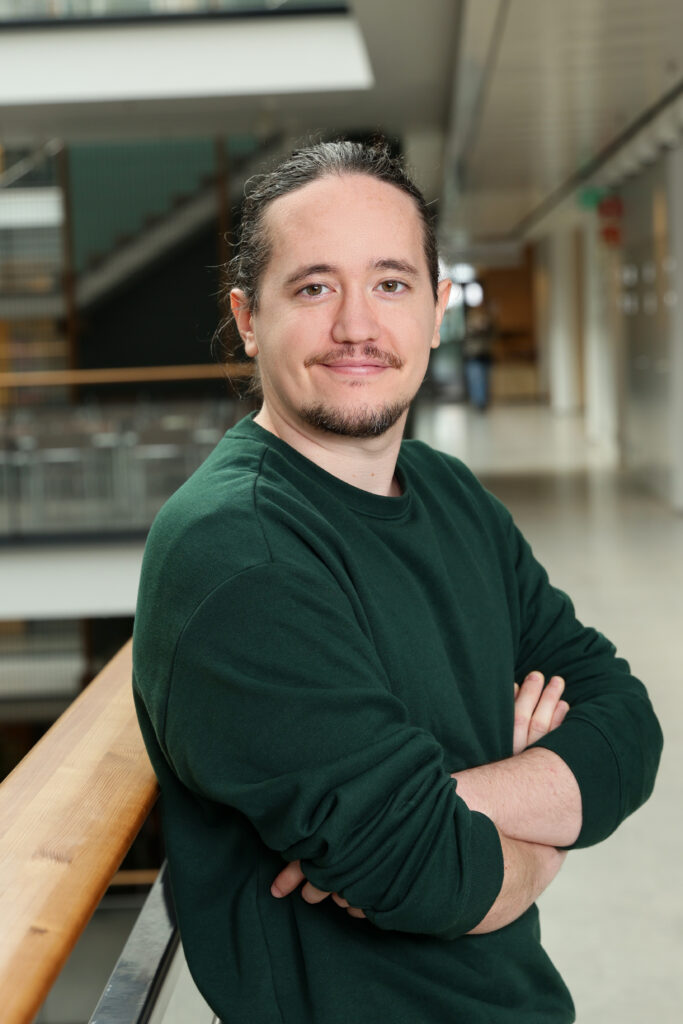
Matías Marín Falco, PhD
Matías Marín Falco is a Pink Ribbon Cancer Researcher at the University of Helsinki, investigating chemotherapy resistance in high-grade serous ovarian cancer (HGSOC). His research combines single-cell RNA sequencing with innovative lineage tracing and stress-recording technologies to understand how cancer cells evade treatment. By integrating machine learning with multi-layered single-cell datasets, his work aims to predict which cells will survive therapy based on their pre-treatment molecular profiles. This approach seeks to improve patient stratification and guide more effective sequential treatment strategies for HGSOC patients.
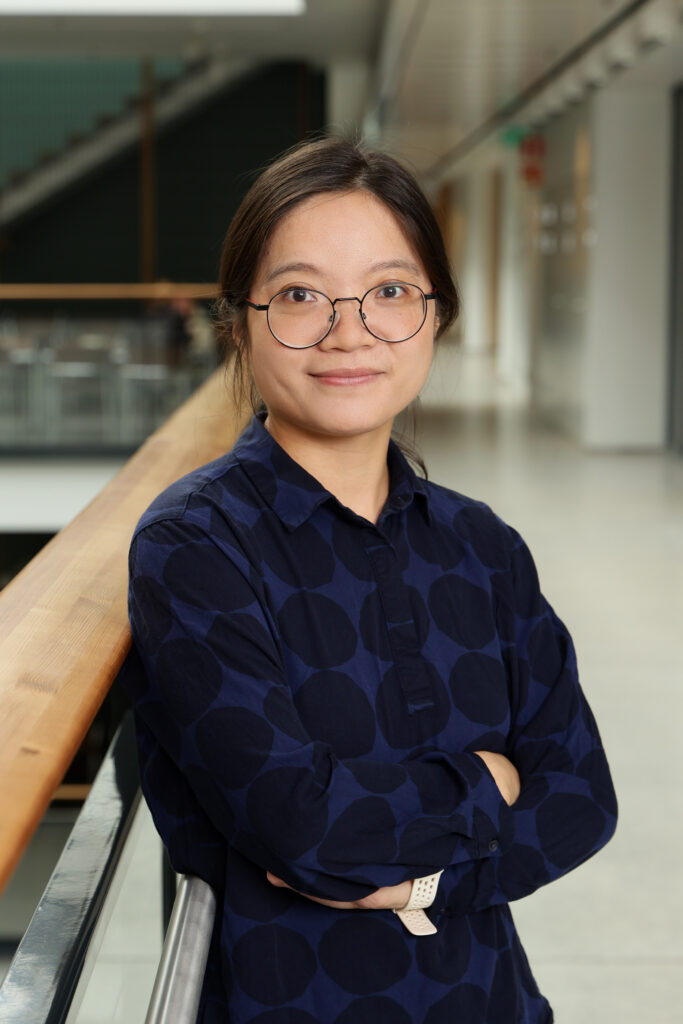
Yafei Wang, PhD
Yafei Wang is a postdoctoral researcher with a background in stem cell biology and gene-editing technology. During her postdoctoral work at the Raivio Lab (2018-2024), she utilized single-cell RNA sequencing to investigate the ontogeny of GnRH neurons and improved the differentiation efficiency of GnRH neurons derived from human pluripotent stem cells (Wang, Stem Cells, 2022). She also developed an auxin-inducible degradation system in stem cells, enabling rapid depletion of target proteins (Li*, Wang*, Genome Biology, 2024). Currently, her research interests focus on the initiation and progression of high-grade serous ovarian cancer, with a particular emphasis on treatment resistance.
Jun Dai, PhD
Jun Dai earned his PhD in 2025 in the Vähärautio Lab, where his research centred on uncovering mechanisms of intrinsic drug resistance in HGSOC using single-cell lineage tracing and CRISPR/Cas9-based perturbation strategies. As a postdoctoral researcher, Jun is extending this work to patient-derived organoids (PDOs) to elucidate both genetic and non-genetic determinants of primary treatment resistance and the recurrent nature of HGSOC.
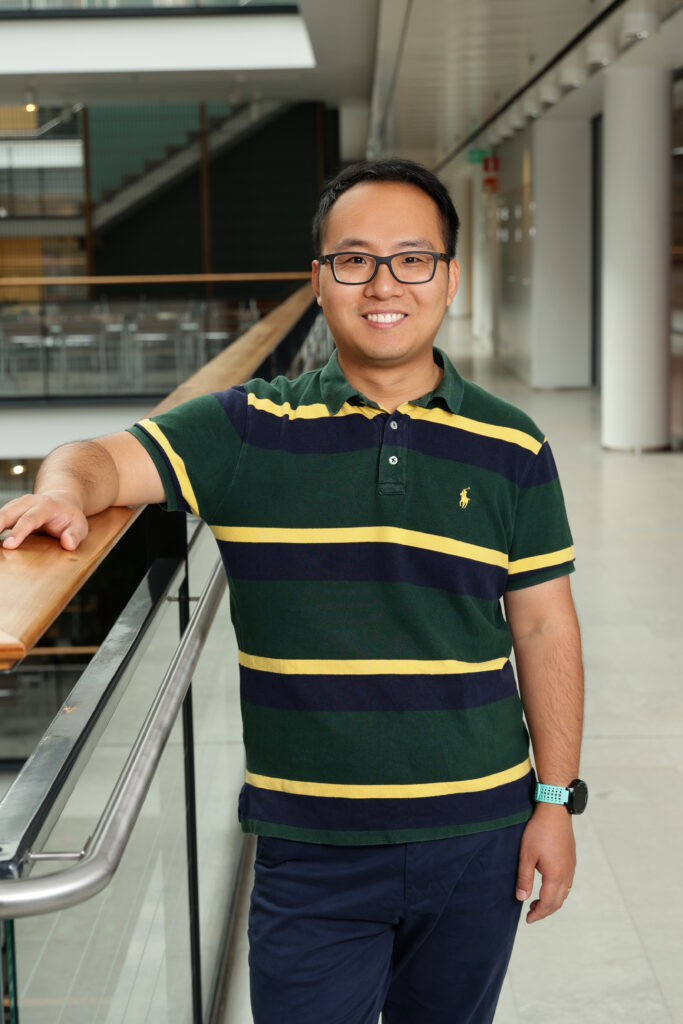
PhD Researchers
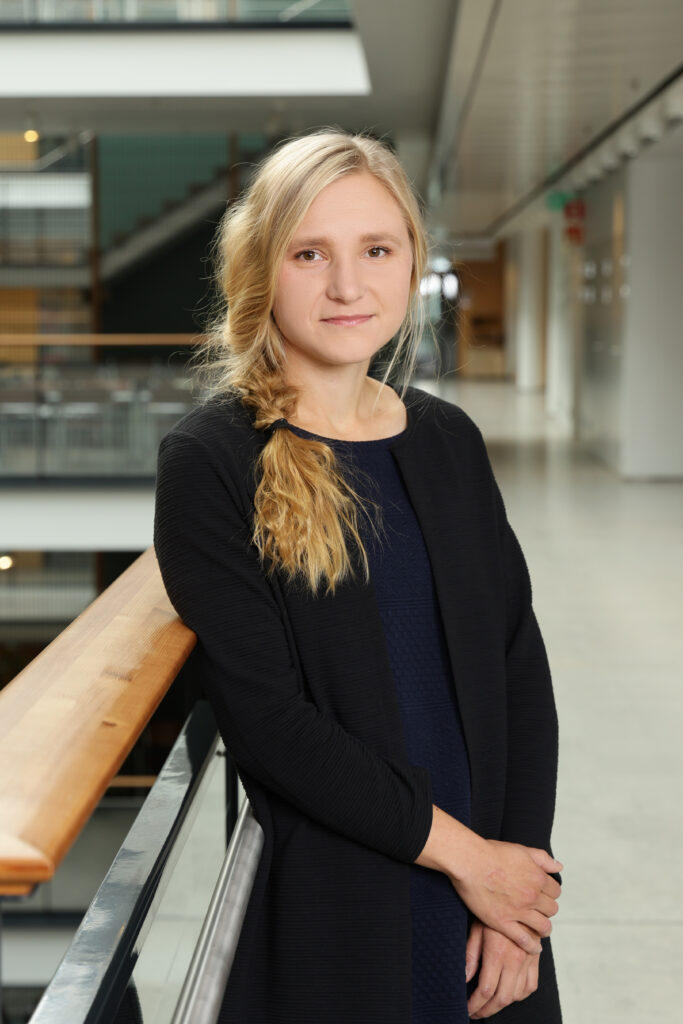
Anna Pirttikoski, MSc
Anna focuses on analyzing scRNA-seq data of high-grade serous ovarian cancer (HGSOC) patient samples and their normal counterpart samples from fallopian tube epithelium. The projects involve the identification of cell states and characterization of their dynamical relationships within normal and cancer cells. Her interests are in tumor evolution and drug resistance.
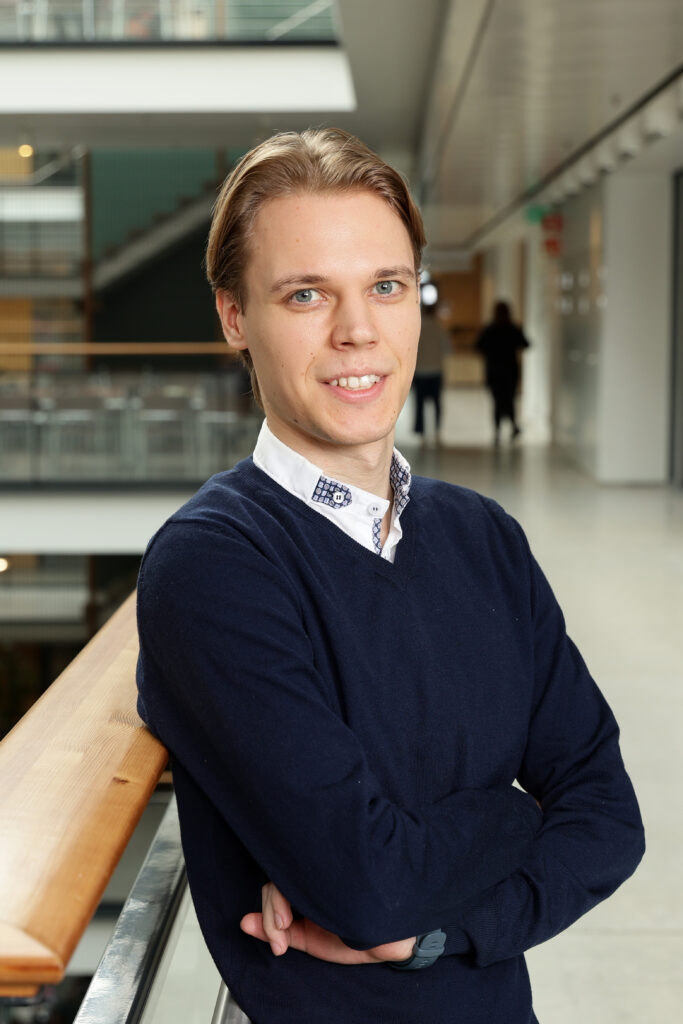
Joona Jäntti, MSc
Joona is a student from the new Doctoral Pilot Program (ICANDOC). His research involves developing a single-cell transcriptional signal recording system utilizing CRISPR/Cas12a-based editing to track the activation of these pathways in cells both before and during chemotherapy. By applying this novel methodology to patient-derived high-grade serous ovarian cancer (HGSOC) organoids, the project aims to uncover how prior stress signaling contributes to cellular adaptation and resilience against chemotherapy in a genetically diverse setting.
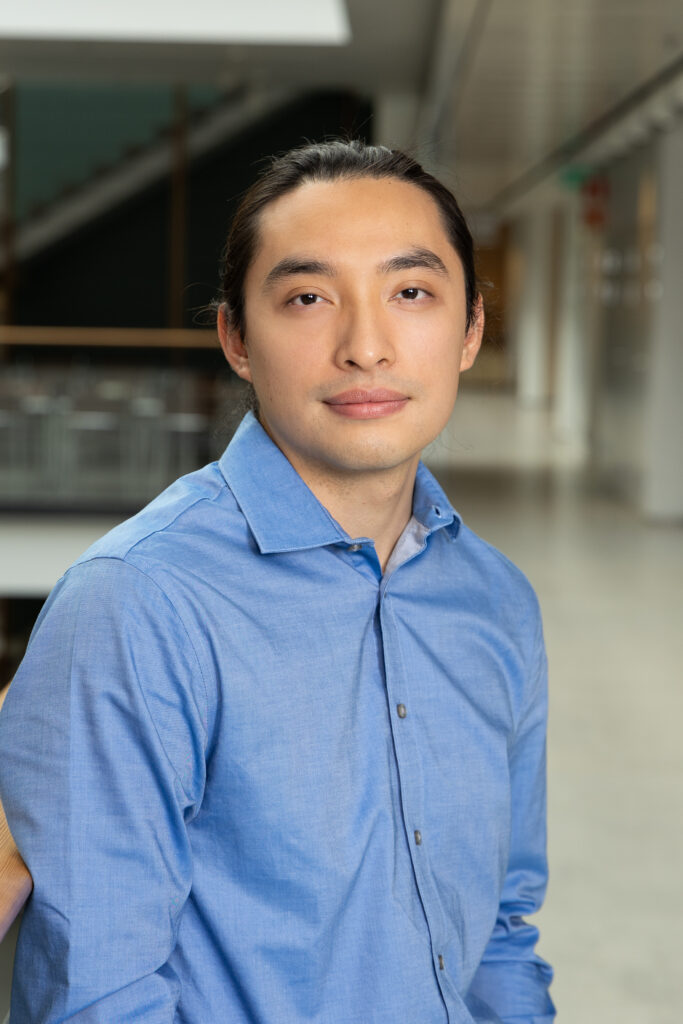
J. Rene Wong, MSc
Rene is a student from the new Doctoral Pilot Program (iCANDOC). His project is focused on integrating transcriptomic single-cell bioinformatics analysis to create a pipeline to understand the role of different stressors in high-grade serous ovarian cancer (HGSOC). The aim is to be able to measure the “scars” that these stressors create, how they evolve across clones, and what the consequences of this are in HGSOC resistance.
Wenqing Chen, MSc
Wenqing is a student in the new Doctoral Pilot Program (iCANDOC), co-trained by the Vähärautio and Färkkilä laboratories. Her research focuses on high-grade serous ovarian cancer (HGSOC), where she performs bioinformatics analyses integrating single-cell RNA sequencing, spatial transcriptomics, and tCyCIF imaging data. By characterizing cellular composition, spatial organization, and tumor microenvironment features, her work aims to generate biological insights into HGSOC tissue architecture and disease mechanisms.
Teemu Närhi, MSc
Teemu is a student at the Computational Systems Biology group at Aalto University. In collaboration with the SCT-lab, his project is focused on developing computational tools for analysing scRNA-seq data that specifically account for the inherent characteristics of cancer transcriptomics data, such as high variance due to heterogeneity, and distribution shifts due to differences between biological contexts. The aim is to develop a computational model for inferring unseen perturbation responses on a single-cell level over biological contexts, and a computational method for inferring transcription factor activity and cell fate in treatment.
Shabnaz Koochakkhani, MSc
Shabnaz is a doctoral researcher in Biomedicine at the University of Helsinki. Her doctoral research focuses on identifying novel molecular determinants and elucidating their underlying mechanisms that regulate sensitivity and resistance to PARP inhibitors in high-grade serous carcinoma (HGSC), using genome-wide CRISPR interference screening and CRISPR/Cas9-based genome editing. This project aims to uncover new therapeutic targets and contribute to the development of improved treatment strategies for ovarian cancer.
Grant Researcher
Lasse Suominen, MD
Lasse’s project focuses on cancer associated fibroblast (CAFs) found in clinical HGSOC tumors. The project aims to understand: what is the repertoire of CAFs in these tumors, how they differ between tissue sites, how the CAF types associate with clinical response, and how they localize spatially within the tumor microenvironment.
Master’s Student
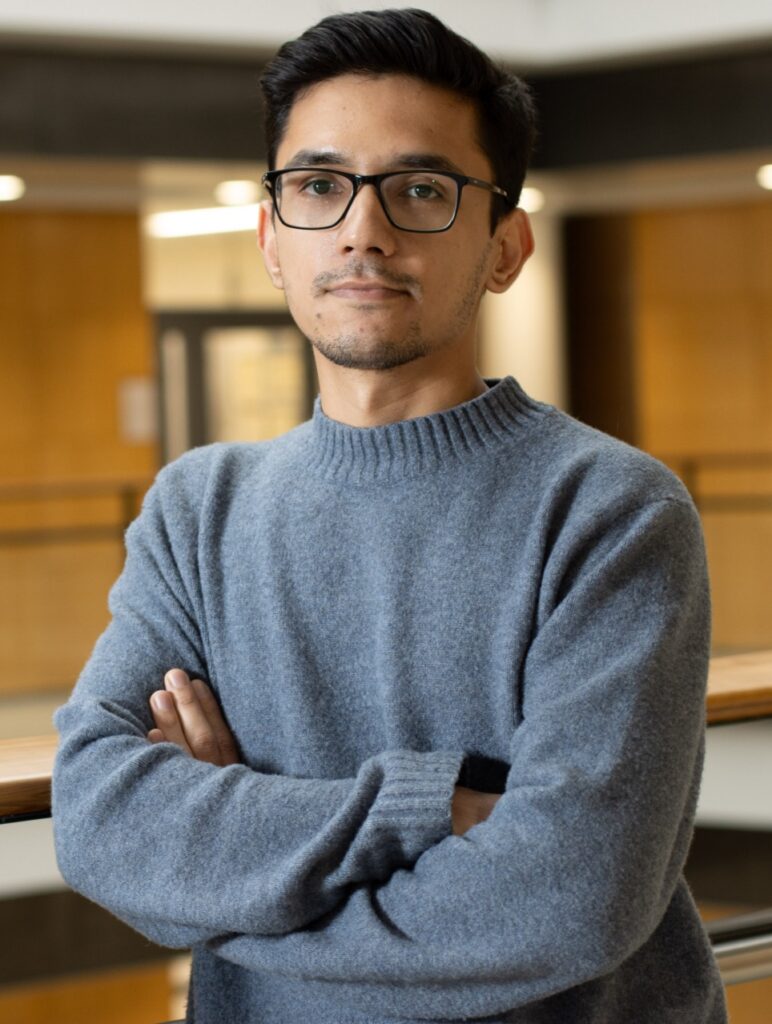
Ikram Khan, BSc
Ikram is a Master’s student in the Genetics and Molecular Biosciences programme at the University of Helsinki. His thesis research focuses on decoding the role of AKT2 and PTK2 amplifications in high-grade serous carcinoma (HGSC) progression and therapy response. Using CRISPRa/CRISPRi systems in ovarian cancer cell lines and patient-derived organoids, the project aims to determine whether amplification of these genes leads to treatment resistance and whether their inhibition can restore drug sensitivity.
Medical student
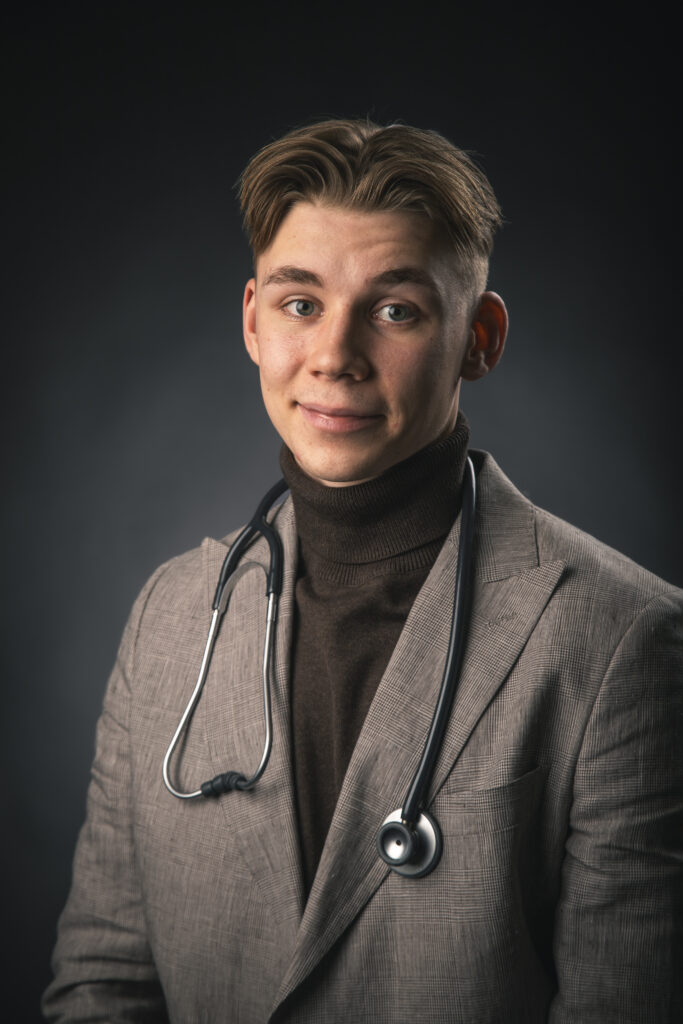
Morten Sarkkinen
Morten is a medical student building experience in single‑cell transcriptomics of cancer and in research more broadly. His aim is to understand signalling pathways underlying therapy resistance and consider how such insights might inform clinical practice.
Staff Scientists
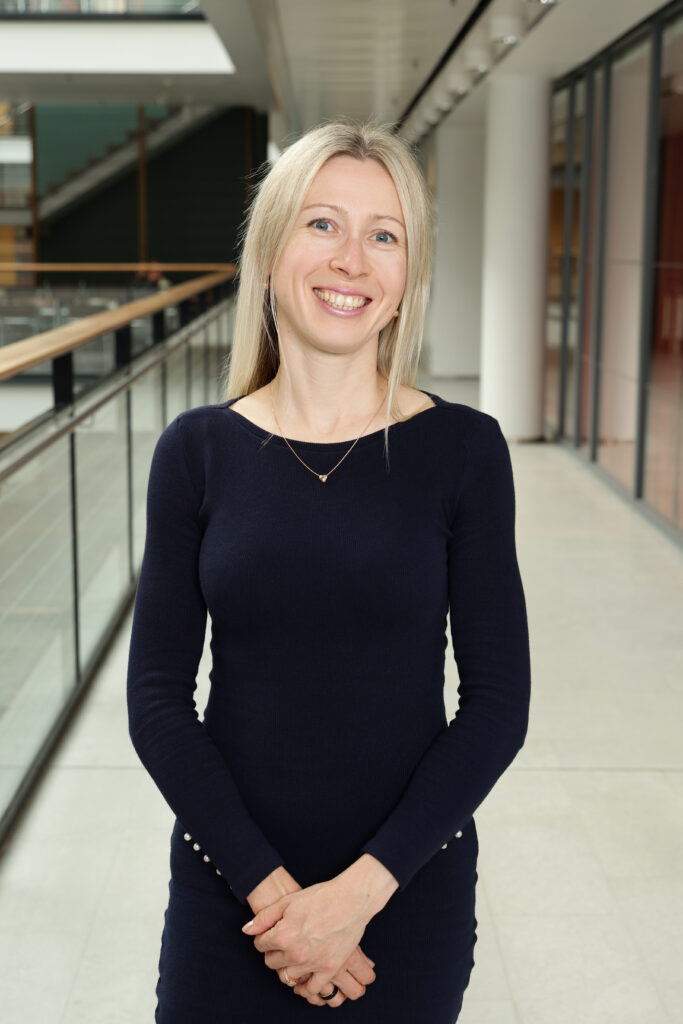
Anastasia Lundgren, MSc
Anastasia Lundgren (M.Sc. in Molecular biology, 2006) is the lab manager, technician and clinical sample collection coordinator. She keeps the Vähärautio Lab safe, clean, organized, equipped and smoothly running.
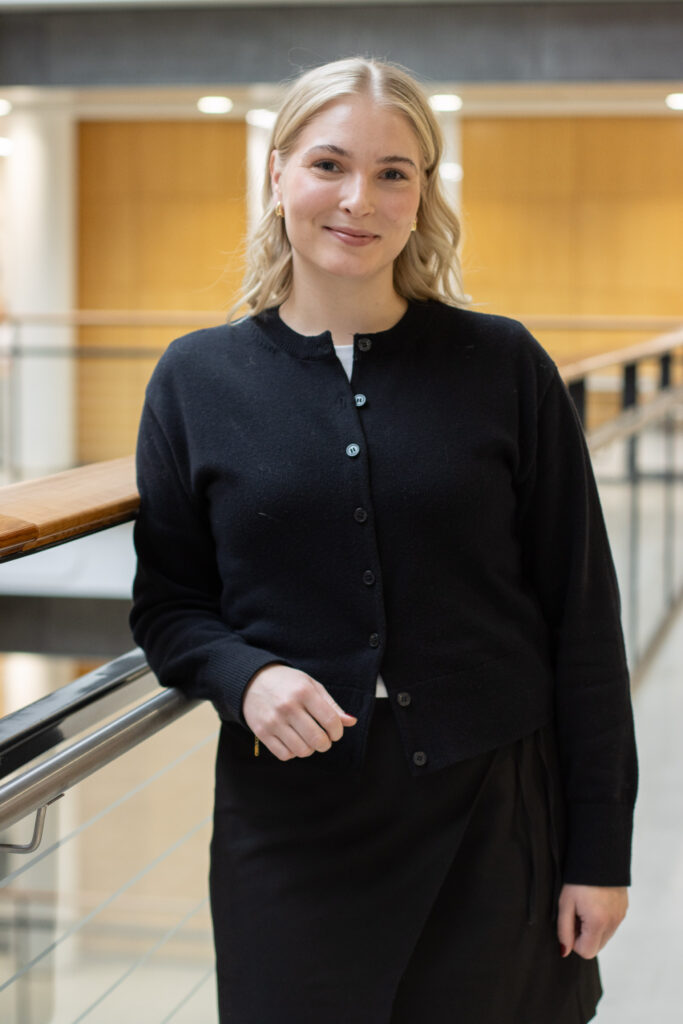
Aino Elomaa, BSc
Aino’s role involves ensuring the day-to-day efficiency of the lab, keeping everything organized and the lab well-equipped.
Alyce M Whipp, PhD
Alyce, as project coordinator, helps in science admin tasks like grant reporting and amendments, symposium organization, MTAs/DTAs, employee onboarding, and group website management.
Alumni
- Anna Perkiö, undergraduate student
- Erdogan Pekcan Erkan, postdoctoral researcher: now in Toni Seppälä lab
- Marika Lassila, undergraduate student
- Maria Chiara Vinchesi, research assistant
- Sohrab Saraei, undergraduate student: now Bioinformatics Software Developer in Blueprint Genetics
- Xanthoula Karypidou, research assistant
- Jing Jiang, MD PhD, visiting researcher
- Arathy Jishad, PhD